

AI Adoption with AIM – IMA Worldwide
AI adoption readiness is about ensuring a company’s people, culture, and leadership are prepared to successfully use AI tools, not just the technology itself. The Accelerating Implementation Methodology (AIM) provides a clear framework to assess and improve readiness by focusing on leadership, communication, resistance management, motivation, training, measurement, and reinforcement. Most AI projects fail because they overlook human factors, but AIM helps companies close this adoption gap with practical steps and ongoing support, leading to faster, lasting AI success.
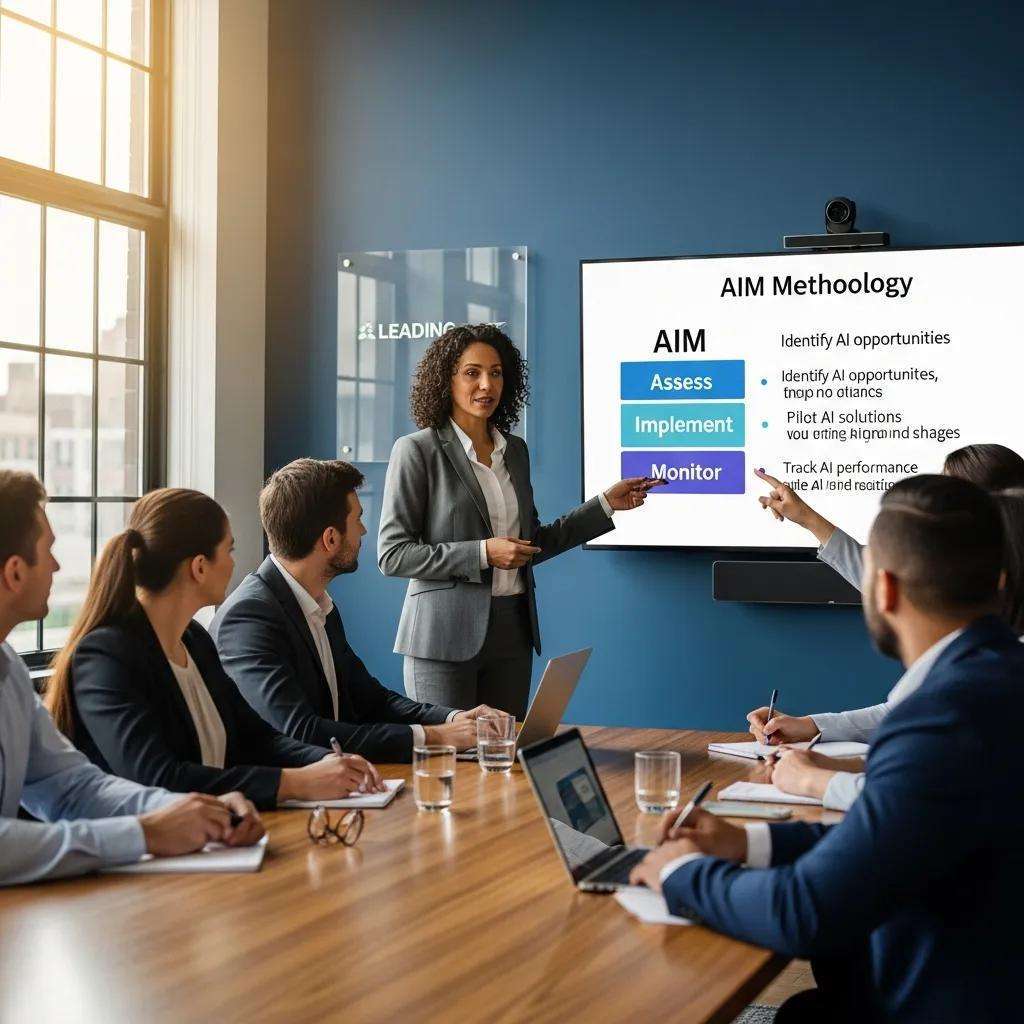
Getting ready to use AI is not just about technology it’s mostly about people and how they work. Companies that start using AI without checking if they are ready often don’t get good results, spend too much money, and make their workers unhappy. The Accelerating Implementation Methodology (AIM), created by IMA Worldwide and Peacock Hill Consulting, is a clear and proven way to check if a company is ready before using AI tools. This guide explains what being ready for AI means, why many AI projects fail, and how AIM helps make sure AI is used well in real life.
What is AI Adoption Readiness
What Readiness Means for AI
AI adoption readiness means how well a company’s leaders, culture, structure, and workers can accept, use, and keep using AI tools and new ways of working. It’s more than just having good computers and software. A company can have great technology but still fail if people don’t understand why AI is important, what they need to do, or how their jobs will change. Readiness is not all or nothing different teams can be ready at different levels. A good readiness check finds problems early before they get too big.
Why Readiness Affects Success
Companies use AI to save time, cut costs, or make more money but this only works if people actually use the AI tools. When people don’t use them, the company loses money. Studies show that less than 30% of AI projects reach their goals. The main reason is not technology but people: weak leaders, poor communication, hidden resistance, and no follow-up. AIM helps find and fix these problems in a clear way.
Why Most AI Projects Don’t Work
Focusing Only on Technology
Many companies think AI is just about technology: demos, software setup, and tuning models. These things are important but not enough. Treating AI like just a tech project and adding change help later is a big mistake. AIM calls this the installation trap: the system is set up, the project is done, but people don’t change how they work. The technology is ready, but the results are not. AIM focuses on changing behavior as the real success.
The Gap in Human Adoption
The human adoption gap is the difference between what AI can do and how much people actually use it in their daily work. This gap grows when workers don’t see why AI matters, managers don’t support new ways, leaders don’t show they care, and rewards still favor old habits. AI can also feel like spying, a job threat, or a test of skills. These feelings cause resistance that training alone can’t fix. AIM finds these human issues early so they can be solved before they stop the project.
The AIM Assessment Framework
AIM's Eight Key Success Factors
AIM lists eight important things that show if a big change will last. Each one can be measured and acted on:
- Sponsorship — Is there a senior leader who clearly supports and leads the change?
- Change Agent Network — Are there trained helpers at the right levels to guide the change?
- Communication — Is communication open, clear, and listens to workers’ worries?
- Resistance Management — Has resistance been found and handled early?
- Motivation — Are rewards and praise set up to encourage new AI behaviors?
- Training — Does training explain why the change matters and what to do, not just how to use the tech?
- Measurement — Are there ways to track real behavior changes, not just usage numbers?
- Reinforcement — Are there systems to keep the new ways going after launch?
Scoring these eight factors shows where readiness is strong and where it needs work. Most companies find sponsorship and reinforcement are the biggest weak spots.

How to Score Your Company’s AI Readiness
AIM uses interviews, surveys, and observations to score each key factor and find gaps. For AI projects, it also checks special risks: worries about job safety, how well people understand data, trust in AI decisions, and clear AI rules. These work with the eight factors to create a full readiness picture that guides a focused change plan. The check is done more than once to see progress and adjust plans.
5 Steps to Build AI Readiness Using AIM
Step 1 Explain the Business Reason
Before starting, explain the business reason in simple terms: what will this mean for each person and team? AIM helps leaders tell a clear and honest story that links company goals to daily work.
Step 2 Get Strong Executive Support
From many projects, having active and visible leaders is the best sign of success. For AI, leaders must do more than give a speech: they should show up at key times, talk about resistance openly, give resources to the change plan, and act the way the project needs.
Step 3 Check Change Capacity
AI doesn’t happen alone. Change capacity means how much change a company can handle without hurting work. AIM tools help check this and choose priorities so both AI and business do well.
Step 4 Build a Network of Change Helpers
Change helpers in the company guide workers through changes. For AI, they need skills beyond tech help: helping teams with job changes, understanding AI decisions, and changing work steps. AIM offers training that builds real skills, not just awareness.
Step 5 Track and Support Adoption
Many AI plans don’t measure adoption well. Companies often count usage but that’s not true adoption. AIM says adoption means lasting behavior change that brings business results. Measurement must look at behavior, and support like praise, coaching, and consequences must keep those behaviors going.
How AIM Speeds Up AI Adoption
From Checking to Doing
The value of an AIM readiness check is not just finding problems it’s the action plan that follows. Every gap links to a specific fix: coaching leaders, workshops on handling resistance, training change helpers, or better communication. The check and plan work together, not one after the other. This makes AIM different from other change methods. AIM is a proven way: its tools have been used in thousands of projects and many companies in all industries.
How AIM Works in Real Life for AI
Companies that work with IMA Worldwide and Peacock Hill Consulting usually start with an AIM readiness check done in two to three weeks. The result is a clear action plan, a design for change helpers, a plan to develop leaders, and a way to measure success all made for the AI project and company. Teams that prepare before launch see faster adoption, longer use, and better results than those who only do training and communication. Our AIM Change Management for AI Initiatives service gives the clear, proven help companies need to move from just setting up AI to using it well every day.
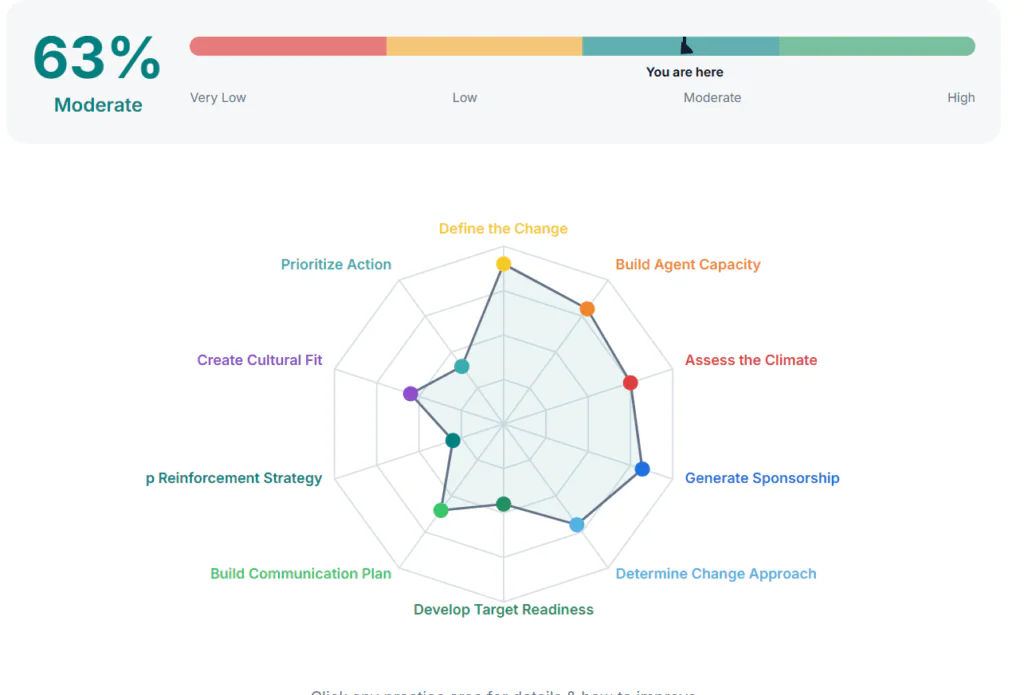
Ready to check your company’s AI readiness?
IMA Worldwide and Peacock Hill Consulting offer clear AIM-based readiness checks for big AI projects. Contact us to set up a check and build the change support your AI project needs to succeed.