The Accelerating Implementation Methodology
What Is AIM (Accelerating Implementation Methodology)?
The Accelerating Implementation Methodology (AIM) is a research-based change management framework that drives sustained adoption by focusing on leadership involvement, reinforcement systems, and observable behavior change. Unlike approaches that stop at communication and training, AIM addresses the six non-delegable leadership tasks and the reinforcement gap that cause most transformations to stall after go-live. IMA Worldwide's AIM is built on 40+ years of field research.
Today, Peacock Hill Consulting powered by IMA Worldwide continues this work under the leadership of Ann Marvin (founder of PHC, Chief of AI Tools at IMA Worldwide), applying AIM across healthcare, technology, financial services, government, and other sectors.
Why AIM Matters Now
Why Organizations Need the Accelerating Implementation Methodology
Digital and AI initiatives rarely fail because of technology. They stall when leadership roles are unclear, communication is disconnected from daily work, and reinforcement systems continue to reward old behaviors.
Organizations today are managing multiple, overlapping transformations: AI adoption, operating model shifts, regulatory change. Meanwhile, people remain responsible for delivering day-to-day results. AIM brings structure to the human side of implementation by clarifying who must lead change, what behaviors must shift, and how those behaviors will be reinforced.
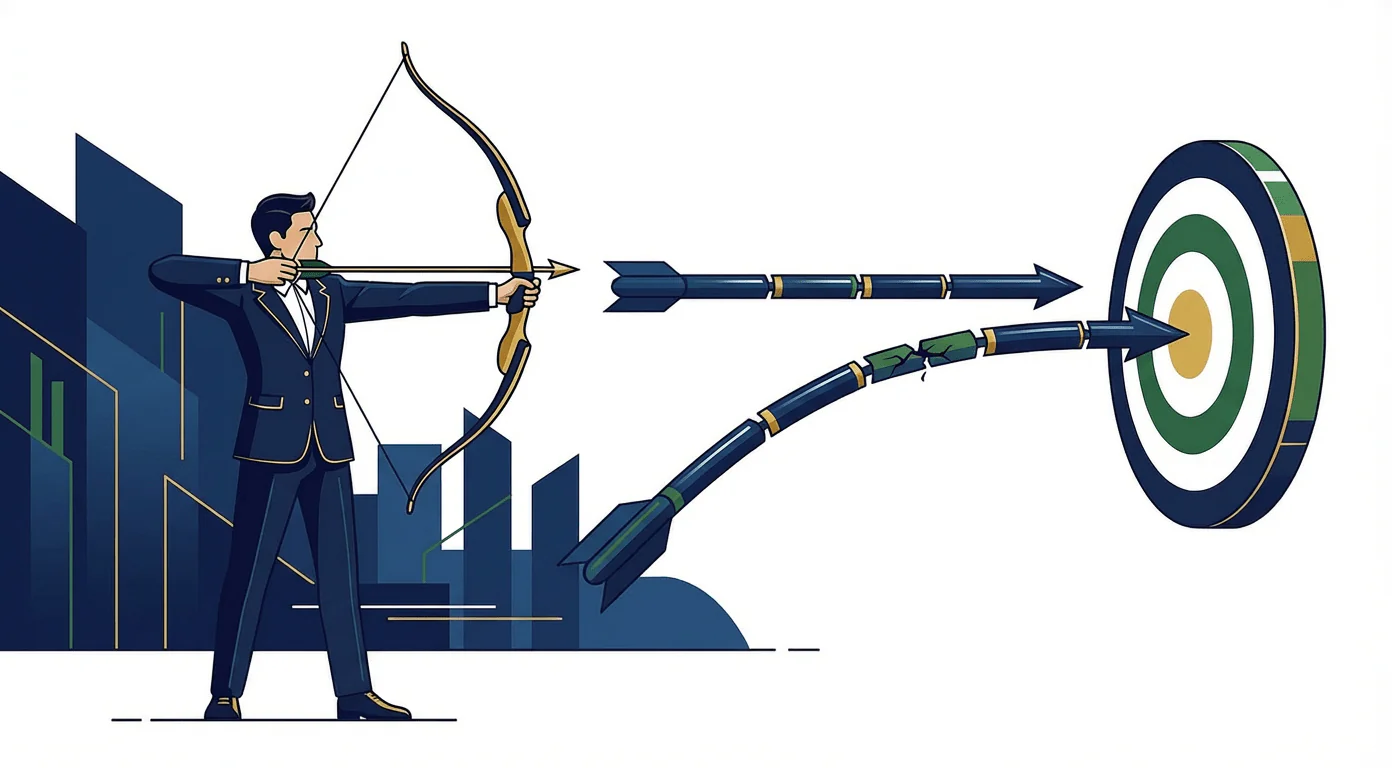
The majority of implementation failures are traced to weak or absent sponsorship. The Accelerating Implementation Methodology addresses this directly through the 6 non-delegable leadership tasks and the EMR framework.
Observable Behavior Change
The AIM Difference: If You Cannot See It, You Cannot Change It
Most change efforts measure abstract concepts. AIM measures observable behaviors: actions you can see from across the room. Observable behavior is any action visible to others that can be measured, reinforced, and sustained without relying on self-reported attitudes or surveys.
AIM draws a critical distinction: installation is putting a new system, process, or policy in place; implementation is achieving sustained behavior change and measurable results after go-live. Organizations do not get ROI from installation alone. Results come only when people adopt and consistently use the new way of working.
Abstract (Not Measurable)
- "Buy-in"
- "Engagement"
- "Alignment"
- "Commitment"
You cannot see these from across the room.
Observable (Measurable)
- Sales team logs CRM entries daily
- Managers conduct safety briefings weekly
- Nurses use the new handoff protocol
- Engineers submit code reviews before merge
You CAN see these from across the room.
If you cannot observe it, you cannot measure it. If you cannot measure it, you cannot reinforce it. And if you cannot reinforce it, you cannot sustain it.
AIM Principle
The EMR Framework
The Communication Trap
Communication is necessary but grossly insufficient. AIM's Express-Model-Reinforce framework explains why:
Express
What leaders say. Communication, announcements, town halls. Most organizations over-invest here.
Model
What leaders do. Resource allocation, personal adoption, visible behavior change.
Reinforce
What leaders reward. Aligned performance reviews, recognition, consequences. Carries 3x the weight of communication.
When leaders communicate the change but continue rewarding old behavior, the message is clear: this change is optional. Reinforcement is where adoption becomes permanent.
AIM Is Simple, Not Simplistic
Core Frameworks of AIM
The core logic fits on one page: leaders must be involved, people need readiness, reinforcement drives results. The methodology has depth because implementation problems have depth.



What Sets AIM Apart
Why AIM Succeeds Where Other Change Methodologies Stall
AIM is principle-driven, not checklist-driven. These principles guide action in unplanned situations, not just templates to follow.
- Implementation is local. Change happens person by person, team by team. AIM treats everyone as a target first.
- Reinforcement drives behavior. AIM places 3x weight on what leaders reinforce versus what they say. This is the most frequently missing element in change initiatives.
- Readiness matters more than resistance. People resist what they are not prepared for, not what they understand.
- Business language, not HR language. AIM speaks to ROI, risk, speed, and resources. It connects change management to business outcomes.
- Capability transfer, not dependency. Organizations trained in AIM build permanent internal capability. The longest active client has sustained AIM capability for 19+ years, long after consultants exited.
The AIM Road Map
The 10 Practice Areas of the Accelerating Implementation Methodology
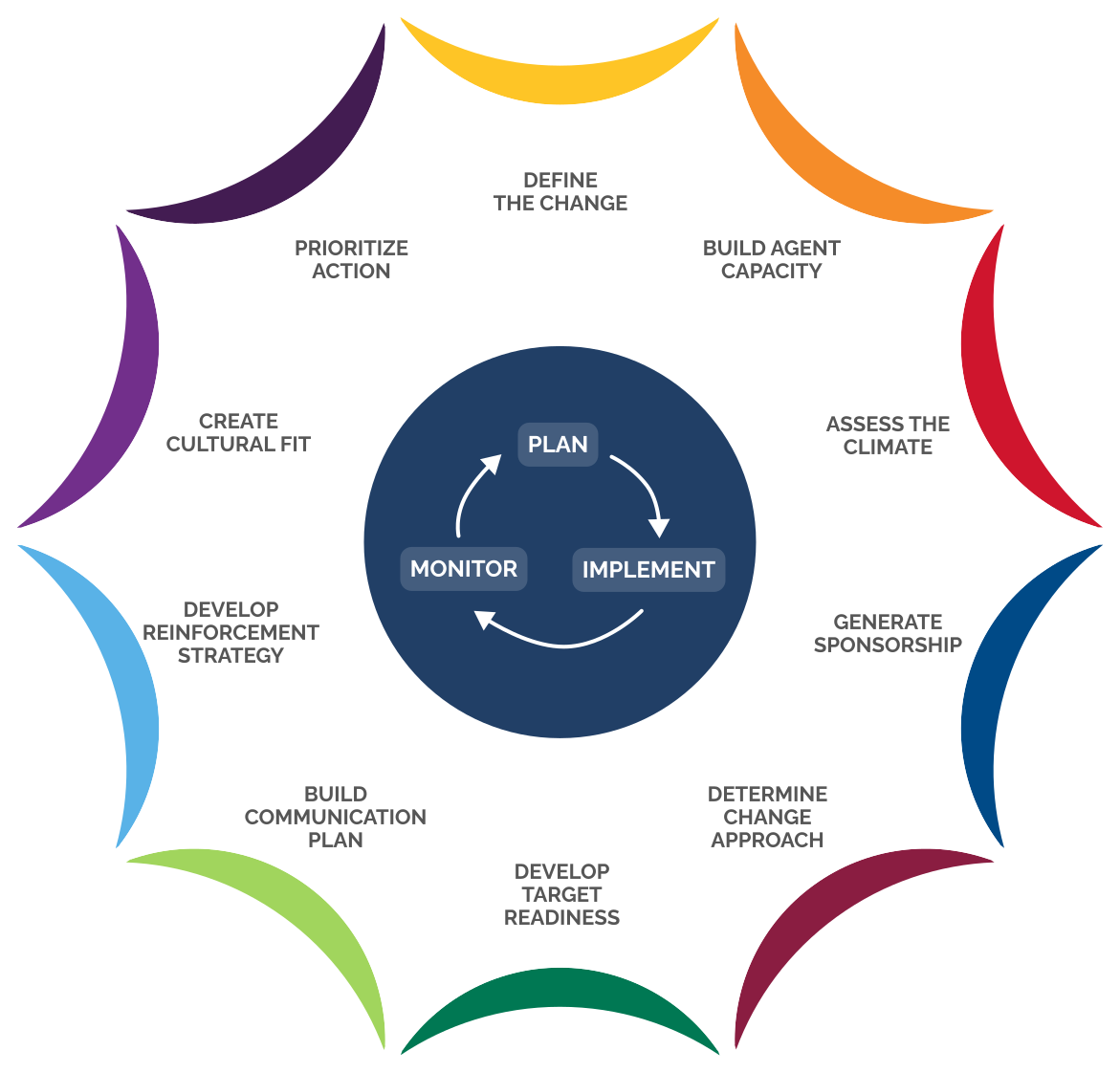
AIM provides a structured framework of exactly 10 practice areas that can be applied to any category of organizational change. The methodology can be scaled and customized for any size or complexity of change.
- Define The Change: Clarify what is changing at the behavioral level, not just the system or process level.
- Build Agent Capacity: Develop the change agent team's skills, authority, and access to sponsors.
- Assess The Climate: Diagnose the organization's history with change, current stress levels, and readiness factors.
- Generate Sponsorship: Ensure sponsors perform the 6 non-delegable tasks and cascade commitment through the leadership chain.
- Determine Change Approach: Select the right implementation strategy based on scope, speed, and organizational capacity.
- Develop Target Readiness: Assess and build the five elements of readiness: Information, Willingness, Ability, Confidence, and Control.
- Build Communication Plan: Design communications that drive behavior change, not just awareness.
- Develop Reinforcement Strategy: Align rewards, recognition, and consequences with desired new behaviors.
- Create Cultural Fit: Address the cultural barriers and enablers that determine whether the change will sustain.
- Prioritize Action: Focus resources on the highest-impact implementation actions first.
The center of the AIM Road Map contains the implementation cycle: Plan, Implement, Monitor. Monitor feeds back into planning, creating a continuous improvement loop.
Who Uses AIM
Who AIM Is For and Where It Fits
AIM is designed for professionals accountable for making change work in real operating environments. It works alongside project management methodologies (PMI, Agile, Lean) to ensure the people side of change progresses in lockstep with technical milestones.
Roles
- Agile leaders driving enterprise or portfolio-level transformation
- Scrum Masters, RTEs, and LPMs who need real tactics for managing resistance
- HRBPs and OD professionals tasked with making strategy stick
- Internal change agents and consultants needing structure and tools
- Executive sponsors responsible for cascading commitment
Transformation Types
- Agile and SAFe Transformations
- ERP and Technology Implementations
- AI Adoption
- Operating Model Changes
- Mergers and Acquisitions
- Cultural Transformation
- Leadership Development
Industry Agnostic
Industries Served by IMA Worldwide
AIM has been applied across many industries because the core challenge, people changing behavior under pressure, is universal.

Clinical workflow and technology adoption

Global ERP and M&A integration

Compliance and operating model change

Enterprise systems and safety culture

Public health transformation

Large-scale transformation

Lean and plant transformations

Operations and technology

Global program delivery

Methodology integration
AI and Digital Transformation
AIM in the Age of AI
AI introduces change that is fast, complex, and constant. The Accelerating Implementation Methodology is a behavior-first implementation methodology that equips leaders to manage the behavioral and cultural impact of automation and machine learning. AIM defines roles for Sponsors, Change Agents, and Targets so that trust and accountability scale with technology.
Whether the initiative is AI-in-operations, AI-in-shared-services, or an ERP-to-AI migration, AIM focuses on the adoption gap that technology alone cannot close. AIM includes validated tools to assess readiness, resistance, sponsorship effectiveness, and reinforcement systems, helping leaders make evidence-based decisions at every stage of implementation.
Methodology Comparison
AIM vs Prosci ADKAR vs Kotter: Choosing the Right Change Management Approach
Organizations evaluating change management methodologies often compare AIM, Prosci's ADKAR, and Kotter's 8-Step Model. Each has strengths, but they differ in focus, structure, and what they measure.
| Dimension | AIM | Prosci ADKAR | Kotter 8-Step |
|---|---|---|---|
| Primary Focus | Leadership behavior + reinforcement systems | Individual change readiness | Organizational momentum through phases |
| Unit of Change | Observable behaviors at team level | Individual awareness and ability | Coalition and urgency at org level |
| Reinforcement Weight | 3x (highest lever in the model) | One of five stages (R in ADKAR) | Anchoring in culture (final step) |
| Leadership Model | 6 non-delegable tasks + sponsor cascade | Sponsor role in PCT model | Guiding coalition |
| Diagnostic Tools | 35+ validated assessments | Prosci benchmarking data | Limited formal diagnostics |
| Measurement | Observable behavior metrics | Self-reported readiness surveys | Phase completion milestones |
| Capability Transfer | Licensing builds permanent internal capability | Certification for practitioners | Consulting-dependent |
Your First Steps
How to Get Started with AIM
Getting started with AIM does not require a full organizational rollout. You can begin with a single initiative and scale from there.
Identify your change
Pick one initiative where success depends on people changing how they work. Define what new behaviors you need to see.
Assess your current state
Use an AIM diagnostic assessment to identify sponsorship gaps, readiness barriers, and reinforcement misalignment.
Align your sponsors
Ensure leaders understand the 6 non-delegable tasks and commit to performing them personally.
Build your reinforcement plan
Identify what the organization currently rewards, and redesign recognition, resources, and consequences to support the new behaviors.
Measure and adjust
Track observable behaviors (not just survey scores) and use AIM's monitoring tools to intervene before adoption stalls.
Frequently Asked Questions About AIM
What is AIM (Accelerating Implementation Methodology)?
AIM (Accelerating Implementation Methodology) is a research-based change management methodology designed to help organizations achieve sustained behavior change and business results. Created by Don Harrison through 40+ years of research at IMA Worldwide (Implementation Management Associates), AIM addresses the root cause of transformation failure: insufficient leadership involvement in six critical, non-delegable tasks. Unlike generic change management that focuses on communication and training, AIM focuses on what leaders must do to create the conditions for successful adoption.
Who created AIM?
AIM was created by Don Harrison, founder of IMA Worldwide (Implementation Management Associates), through more than 40 years of field research into what makes implementations succeed or fail. Today, Peacock Hill Consulting powered by IMA Worldwide continues this work under the leadership of Ann Marvin, applying AIM across healthcare, technology, financial services, government, and other sectors.
What problem does AIM solve?
AIM solves the most common problem in transformation: organizations install new processes, systems, and strategies but fail to achieve real implementation. AIM addresses the human side of change by clarifying leadership responsibilities, identifying readiness gaps, and focusing on reinforcement, the factor most strongly tied to sustained adoption.
What is the difference between installation and implementation in AIM?
In AIM, installation means putting something in place, such as launching a new system, process, policy, or tool. Implementation means achieving sustained behavior change and measurable results after go-live. AIM emphasizes that organizations do not get ROI from installation alone. Results come only when people adopt and consistently use the new way of working. Read more about installation vs. implementation.
What does AIM mean by "implementation is local"?
"Implementation is local" means change does not happen at the executive level or in project plans. It happens at the level where people do their daily work. Even if leadership supports the initiative, adoption still depends on how supervisors reinforce it, how teams experience it, and whether targets are ready and able to change their behavior in real operating conditions.
Does AIM work for digital transformation and AI adoption?
Yes. AIM is well suited for digital transformation, ERP implementations, and AI adoption because these initiatives require sustained behavior change, not just new tools. AIM helps organizations clarify sponsorship responsibilities, define measurable behaviors, assess readiness, and reinforce adoption. It also supports environments where multiple changes overlap and where change fatigue is high.
Is AIM compatible with Agile and SAFe transformations?
Yes. AIM works well in Agile and SAFe environments because it focuses on implementation behaviors, sponsorship alignment, and reinforcement, areas that often determine whether Agile adoption becomes real or remains surface-level. AIM supports transformation leaders, RTEs, Scrum Masters, LPMs, and change agents who need practical tactics for managing resistance and sustaining adoption.
What tools and assessments are available with AIM?
AIM includes a suite of diagnostic tools and assessments designed to identify adoption risks and implementation gaps. These tools help organizations evaluate sponsorship effectiveness, readiness levels, communication effectiveness, reinforcement systems, implementation history, and organizational stress. Over 35 validated assessments are available through the Comparative Agility platform. Explore AIM assessments.
Why does AIM emphasize reinforcement more than communication?
AIM emphasizes reinforcement because communication alone rarely changes behavior. People may understand the message and still return to old habits if the organization continues rewarding old behaviors. Reinforcement includes recognition, consequences, resource allocation, performance signals, and leadership follow-through. What leaders reinforce becomes the real definition of success inside an organization.
What is change management?
Change management is the discipline of preparing, equipping, and supporting people to adopt new behaviors so that organizational changes deliver their intended results. Most change management frameworks focus on communication, training, and awareness. AIM (Accelerating Implementation Methodology) goes further by treating change as a leadership accountability problem: unless sponsors perform six non-delegable tasks and reinforcement systems reward the new behaviors, adoption stalls at installation. AIM is a behavior-first implementation methodology built on 40+ years of field research.
Why do change management initiatives fail?
Change management initiatives most often fail because organizations achieve installation (putting a new system or process in place) without achieving implementation (sustained behavior change). The majority of implementation failures trace back to weak or absent sponsorship. When leaders delegate the six non-delegable tasks, when reinforcement systems continue rewarding old behaviors, and when readiness gaps go undiagnosed, adoption stalls. AIM addresses each of these failure modes with diagnostic assessments and structured leadership actions.
What Leaders Say About AIM
Why Organizations Choose AIM
"Having led change management for several Fortune companies, I have reviewed and used multiple change management models. The best one that I have used, and that has moved the change needle the farthest, is AIM. No model gets to the heart of change and produces the actual business results quicker. Well worth the investment."
Director, Leadership and O.D. (former), Specialty Retail"I am very impressed with your model and the emphasis on Installation versus Implementation. I have been involved with several change efforts where reinforcement was not built into the design and we were left with installation and lack of ROI."
Financial Services Executive"AIM has been a tremendous aid in making cultural barriers more visible and opening the dialogue about behaviors that need to change to meet our target and expected outcomes."
Black Belt, Healthcare System"The AIM methodology is one of the best investments we have ever made."
VP, Leadership and OD, Technology Company