
Change Management
Change Fatigue Is a Capacity Problem, Not an Attitude Problem
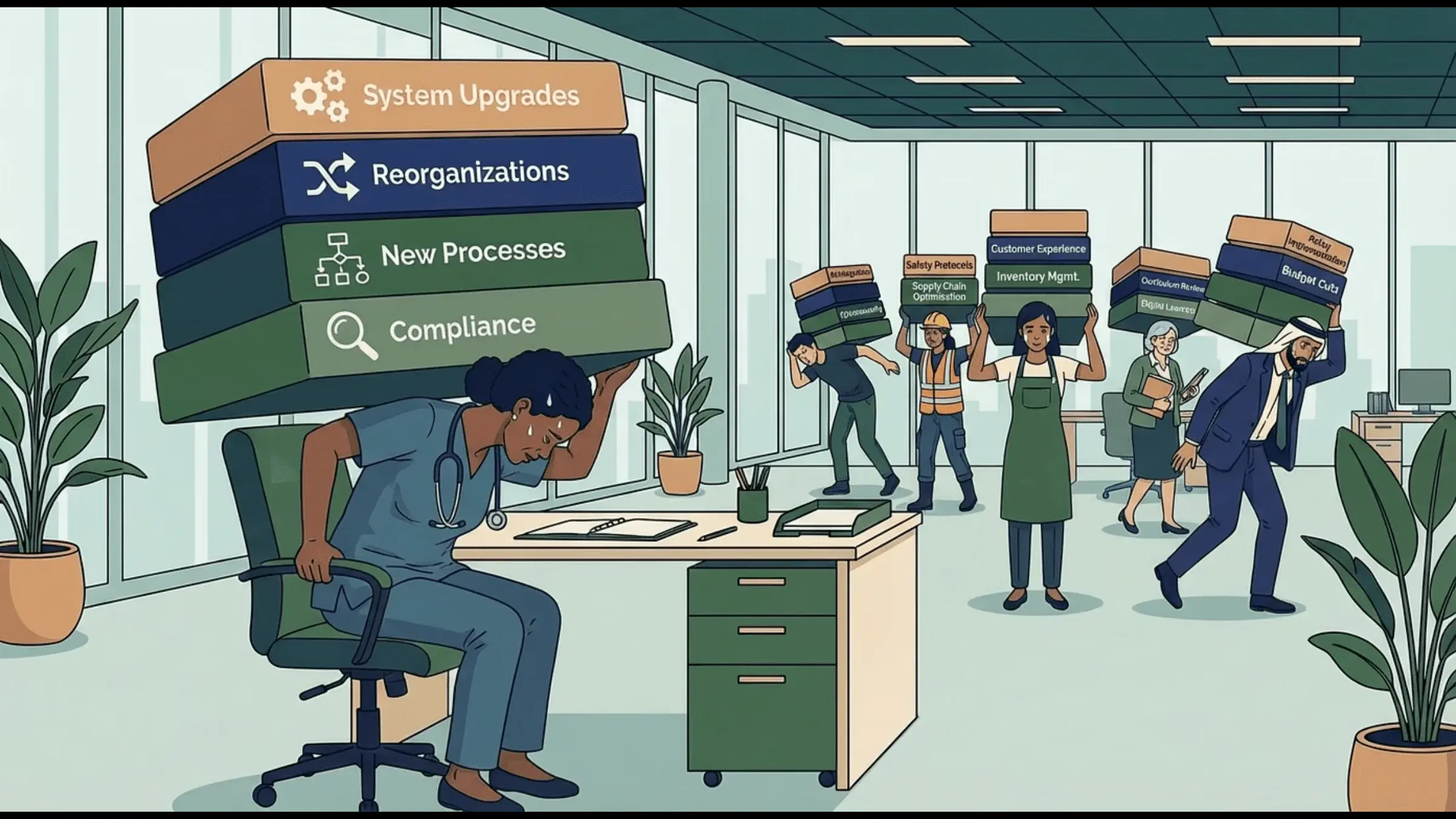
When employees seem checked out, resistant, or disengaged from yet another initiative, most organizations diagnose the wrong problem. Change fatigue is not about willingness. It is about structural capacity, sponsorship bandwidth, and what happens when organizations run more change than their systems can absorb.
Change fatigue is an organizational capacity problem, not an attitude problem. It occurs when the volume of concurrent changes exceeds the sponsorship bandwidth available to support them. IMA Worldwide (Implementation Management Associates) AIM (Accelerating Implementation Methodology) addresses fatigue by diagnosing sponsorship capacity before launching new initiatives.
The Core Problem
What Change Fatigue Actually Is
Change fatigue is the cumulative effect of asking people to absorb more change than the organization's structures support. It is not apathy. It is not a personality trait. It is a predictable, measurable outcome when sponsorship, reinforcement, and communication systems are overwhelmed by the volume and pace of initiatives running simultaneously.
Don Harrison, creator of the Accelerating Implementation Methodology and founder of IMA Worldwide (Implementation Management Associates), identifies change saturation as one of the most common root causes of transformation failure. When multiple initiatives compete for the same leaders' attention, the same employees' behavior, and the same organizational reinforcement systems, something has to give. What gives is adoption.
The distinction matters because it changes the intervention. If fatigue were an attitude problem, the solution would be motivational: better messaging, more town halls, a refreshed case for change. When fatigue is correctly understood as a capacity problem, the solutions are structural: prioritization decisions, sponsorship reallocation, reinforcement redesign, and change load management.
Root Cause
Sponsorship Bandwidth Is Not Infinite
Every executive sponsor has a finite amount of time, visibility, and credibility to invest in change. When that same sponsor is responsible for three, five, or eight concurrent initiatives, the sponsorship gets diluted. Employees learn quickly that signals from above are not backed by consistent follow-through. They adapt by waiting to see which initiatives actually matter.
This is not disengagement. It is rational behavior. Employees who have experienced multiple initiatives fizzle out have developed a calibrated response: invest minimally until the initiative proves it has staying power. From the front lines, active disengagement often looks like fatigue, but it is actually a learned conservation of effort.
AIM's research across thousands of implementations shows that sponsorship capacity is the single most reliable predictor of adoption outcomes. The AIM framework places sponsorship at the center of change readiness assessment. Before layering another initiative onto an already saturated change portfolio, organizations must answer: which sponsor is accountable, and do they have the bandwidth to sustain active, visible sponsorship through adoption, not just launch?
Common Mistake
Why More Communication Does Not Fix Change Fatigue
The instinctive response to disengagement is communication: more emails, more all-hands meetings, more town halls, more change champion newsletters. This approach misunderstands the problem. When people are fatigued, adding communication volume increases noise and reinforces the sense of overload.
Communication can build awareness. It cannot build capacity. It cannot resolve competing priorities. It cannot substitute for an absent sponsor. When employees are already experiencing change saturation, additional communication is often experienced as pressure rather than support.
Effective communication during high-change periods is targeted, sparse, and behaviorally specific. It focuses on what specifically changes for this team, what stays the same, and what support is available. It does not attempt to solve structural problems with informational solutions.
What Actually Works
5 Structural Interventions for Change Fatigue
Addressing change fatigue requires decisions, not just communications. These five interventions target the structural causes rather than the symptomatic behaviors.
Change Portfolio Audit
Map every active initiative against the leaders and employee groups being asked to absorb them. Most organizations find they are running more concurrent change than their systems can support. Prioritization is not failure; it is stewardship.
Sponsor Reallocation
Reassign sponsorship so no single leader carries more active initiatives than they can actively champion. An overburdened sponsor is not a sponsor; they are a nominal figurehead. Active, visible sponsorship requires available time.
Sequence and Phase Changes
Where organizational timelines allow, sequence initiatives so that high-impact changes are not competing with each other for the same employee group's behavioral bandwidth. Sequencing is a capacity management decision.
Reinforcement Alignment
Identify where existing reward and recognition systems are misaligned with the behaviors the changes require. When the new behavior is penalized by existing metrics, employees rationally revert. Structural reinforcement must precede behavioral expectation.
Middle Manager Activation
Middle managers are the most critical layer in translating organizational change to individual behavior. Fatigue often concentrates in groups where managers have not been equipped, empowered, and held accountable as change sponsors in their own right.
Diagnosis
Measurable Signs Your Organization Is at Capacity
Change fatigue is diagnosable before it becomes a crisis. These are organizational signals, not individual attitude indicators. When they cluster, they indicate structural overload rather than individual resistance.
- Declining participation rates in initiative-related training and communication
- Sponsors repeatedly missing or rescheduling change-related commitments
- Middle managers unable to articulate the top three changes their teams are navigating
- High variation in adoption rates across similar teams with similar demographics
- Employees citing different initiative names as the current organizational priority
- New initiatives launched before previous ones reach adoption milestones
Common Questions
Change Fatigue: Answers to Key Questions
What is change fatigue and how is it defined in change management?
Change fatigue is the cumulative exhaustion that results when an organization runs more change initiatives than its structures, sponsorship systems, and reinforcement mechanisms can support. It manifests as declining adoption, passive compliance, and disengagement, but its root cause is systemic overload rather than individual unwillingness.
How is change fatigue different from change resistance?
Resistance is typically specific to a particular change: its content, impact, or how it was introduced. Fatigue is non-specific and cumulative. A fatigued employee may have no objection to any single initiative but lacks the capacity to absorb another. The distinction matters because resistance requires a targeted response while fatigue requires a portfolio-level intervention.
What is sponsorship bandwidth and why does it cause fatigue?
Sponsorship bandwidth refers to the finite time and credibility a leader can invest in actively championing change. When a sponsor is accountable for multiple concurrent initiatives, their visible engagement per initiative drops. Employees sense this, develop wait-and-see behavior, and the initiative loses momentum before it reaches adoption.
Related Reading
More from Why Transformation Fails
Change fatigue is one symptom of a broader pattern of structural failure in large-scale change. Explore the other root causes.
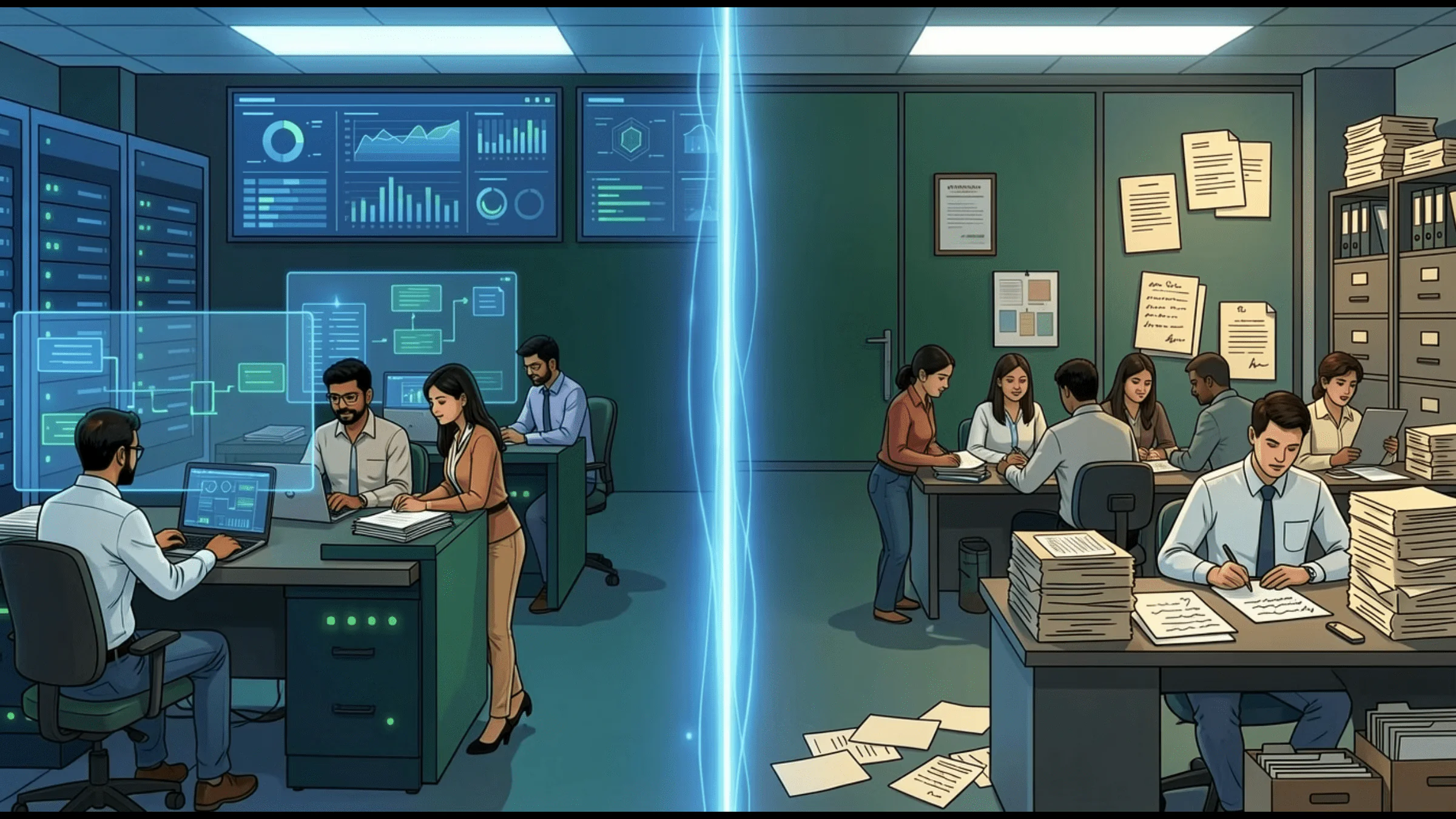
5 Root Causes of Implementation Failure in Change Management
Read article →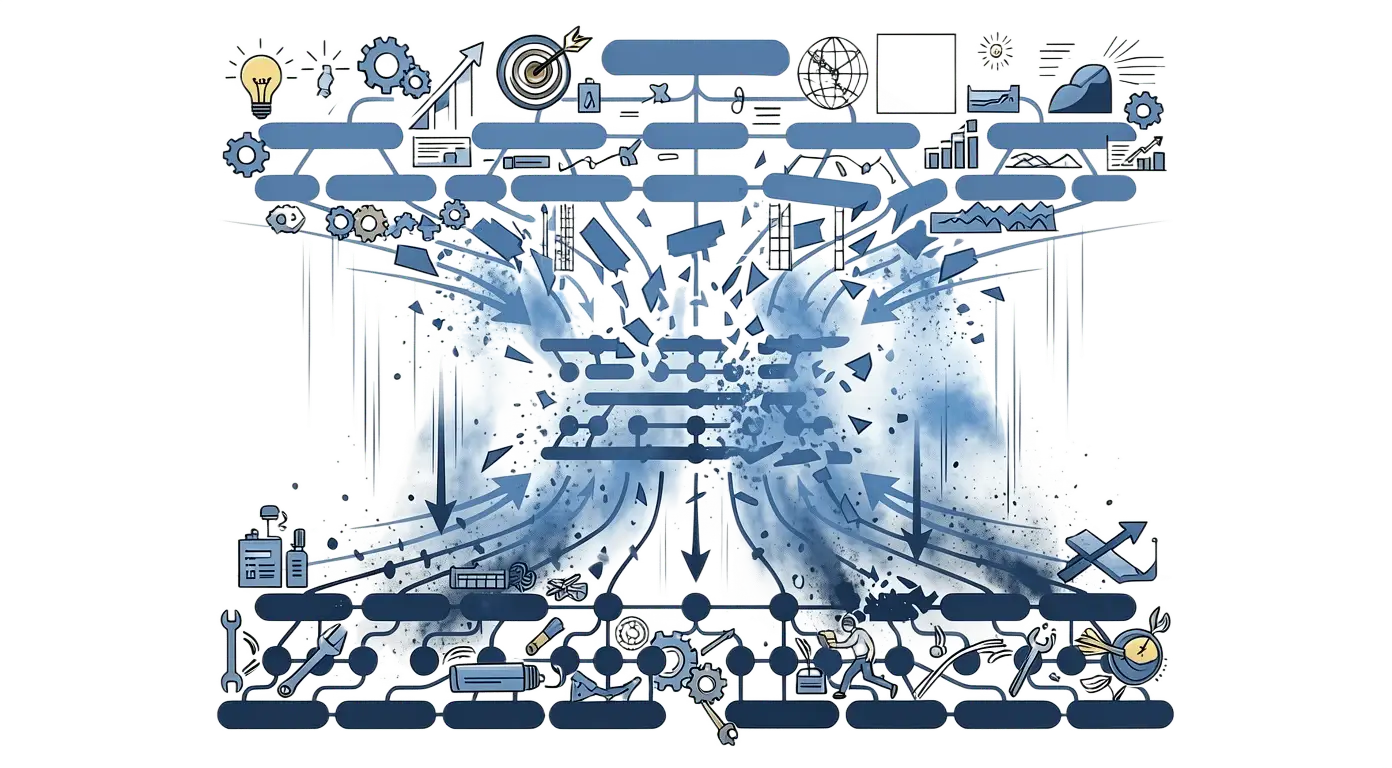
Why Middle Managers Resist Change: The Structural Squeeze
Read article →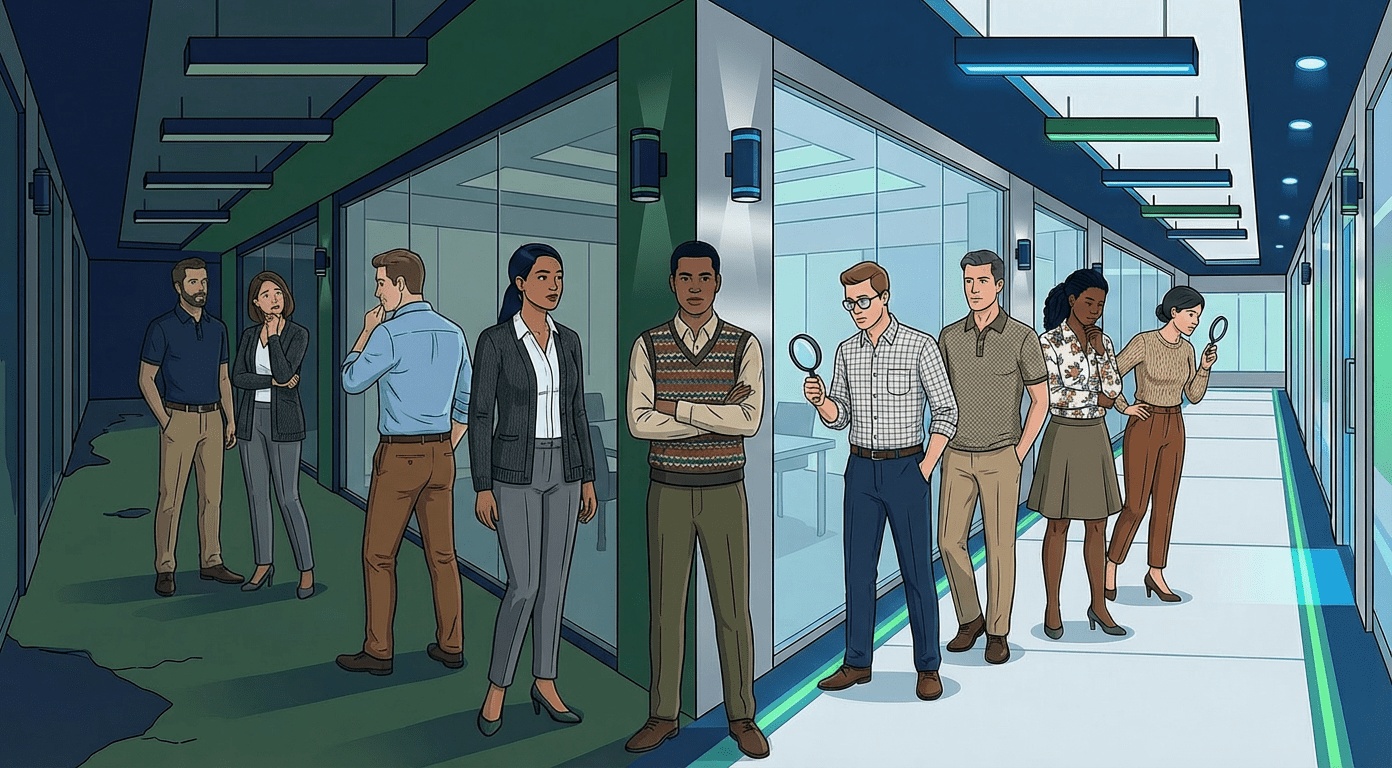
Why Employees Resist Change: 5 Structural Causes Behind the Pushback
Read article →
Reinforcement in Change Management
Why reinforcement carries 3x the impact of communication and how to build it into organizational systems.
Read About Reinforcement →Is Change Saturation Slowing Your Transformation?
IMA Worldwide helps organizations diagnose change capacity, restructure sponsorship, and build the reinforcement systems that turn initiative launches into lasting adoption.