
What Is AIM? › AIM Toolkit & Assessments
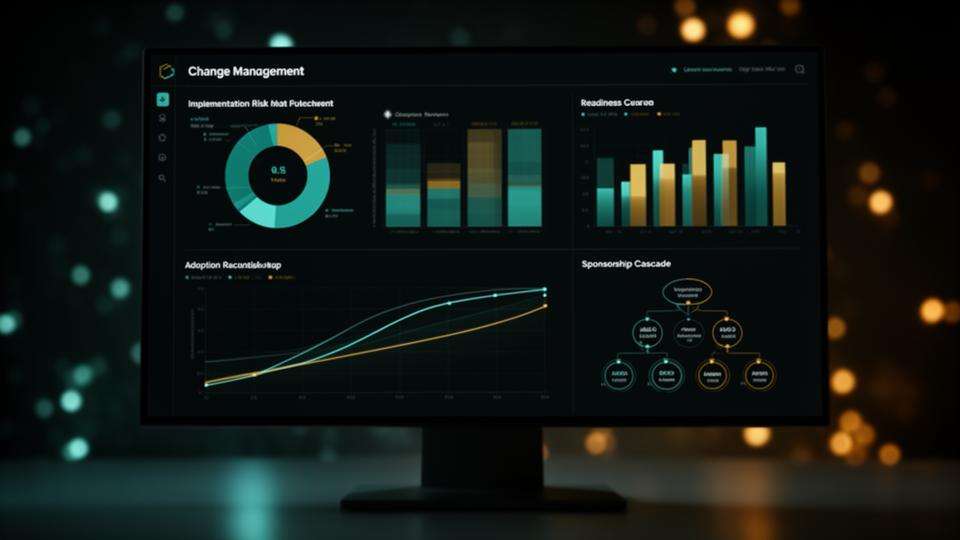
Diagnose Where Your Change Is at Risk
10 research-based diagnostic assessments identify implementation risk, leadership gaps, and readiness barriers so you focus resources where they matter most.
Start With the Symptom
Select the pattern you're seeing. Each one maps to a specific diagnostic tool.
Leaders approved the change but nothing's moving
Leadership isn't cascading. Commitment disappears between levels.
Leadership Assessment EMR 360 →People say they're on board but behaviors haven't changed
Reinforcement gap. Still rewarding the old way.
Targeted Reinforcement Index (TRI) →We keep hitting the same walls on every initiative
Organizational baggage. Past failures predicting outcomes.
Implementation History Assessment (IHA) →Too much going on. People are overwhelmed
Change saturation. Capacity is maxed out.
Organizational Change Stress Test (OCST) →People are resisting but we can't pinpoint why
Readiness gaps. Missing information, willingness, ability, confidence, or control.
Individual Readiness Assessment (IRA) →The tech is live but adoption is low
Installation does not equal implementation. Go-live but not go-adopt.
Implementation Risk Forecast (IRF) →Culture is eating our strategy
Cultural misalignment. Norms contradict the change.
Combined Diagnostic: IHA + TRI →Not sure where to focus your effort
No diagnostic baseline. Guessing instead of knowing.
Start Here: IHA covers all 10 areas →You don't have unlimited time or money. The purpose of AIM is not to do AIM, but to have AIM guide you in what to do. Use diagnostics like the Implementation Risk Forecast (IRF) to identify where your implementation is at risk. Then focus scarce resources on those priority areas.
Proven. Focused. Future-Ready.
Proven
Built on 40+ years of human-driven implementation research.
Focused
Diagnostics pinpoint the highest-risk areas so leaders act where it counts. Not everywhere at once.
Future-Ready
Integrated suite for AI-enabled change with specialized readiness, leadership, and risk tools.
How to Use This Toolkit
AIM tools are not meant to be used all at once. Begin with diagnostics, then apply only the tools needed.
Choose Delivery
Comparative Agility platform or download templates for your existing systems.
Diagnose First
Start with IHA or IRF to identify highest-risk areas.
Focus Resources
Use targeted diagnostics only where risk is real.
Iterate
Repeat assessments to track progress as implementation advances.
Don't Boil the Ocean
A few well-applied tools beat many poorly applied ones.
Run Where It Helps Most
The methodology, tools, and outcomes are the same. Pick the delivery mode that matches your governance, speed, and capability goals.
Comparative Agility
Assessment delivery, benchmarking, and enterprise reporting.
- Real-time benchmarking
- Multi-rater 360s
- Enterprise analytics
- Trend analysis
In Your Systems
Exportable templates for existing workflows.
- Exportable Excel templates
- Downloadable PDFs
- Integration-ready data
- No platform lock-in
The AIM Diagnostic Suite
10 research-based diagnostics to identify implementation risks early. Each is platform-agnostic. Available via Comparative Agility or as downloadable templates.

Business Case for Action (BCA)
Creates the foundation that gives everyone a clear understanding of what is changing, why, and the consequences of not changing.
Implementation History (IHA)
Predicts success from patterns of previous changes. Run first to surface organizational baggage.
Change Stress Test (OCST)
Measures current capacity for change across the organization. Informs go/no-go decisions.
Work Life Disruption (WLDT)
Measures personal disruption across 8 categories to quantify impact on individuals.
Leadership Assessment (EMR 360)
Multi-rater feedback on whether leaders express, model, and reinforce the change. Identifies sponsorship black holes.
Individual Readiness (IRA)
Diagnoses gaps across the 5 readiness elements: information, willingness, ability, confidence, and control.
Change Agent Assessment (CAA)
Baseline capacity measurement for agents: availability, credibility, skills, and influence.
Communication Audit (CA)
Evaluates communication effectiveness across unfreezing, transition, and refreezing stages.
Targeted Reinforcement (TRI)
Multi-rater assessment of reinforcement effectiveness. Identifies where old behaviors are still being rewarded.
Implementation Risk Forecast (IRF)
Comprehensive risk assessment across all 10 practice areas. Your implementation health check.
AI Transformation Suite
Purpose-built assessments for AI-specific challenges. Job-threat concerns, skill development sequences, and infrastructure readiness.
AI Manager (Sponsor) 360
AI-specific leadership gaps and sponsorship behaviors.
AI Team Member (Agent) 360
Agent capability for AI-driven change.
AI Individual Readiness Assessment
AI adoption barriers across the 5 readiness elements.
AI Implementation Risk Forecast
Comprehensive AI implementation risk.
AI Implementation Risk II (Quick)
Rapid pulse check for AI initiatives.
Ready to Diagnose Your Implementation Risk?
Start with the Implementation History Assessment to identify where your change is most at risk. Then focus resources accordingly.
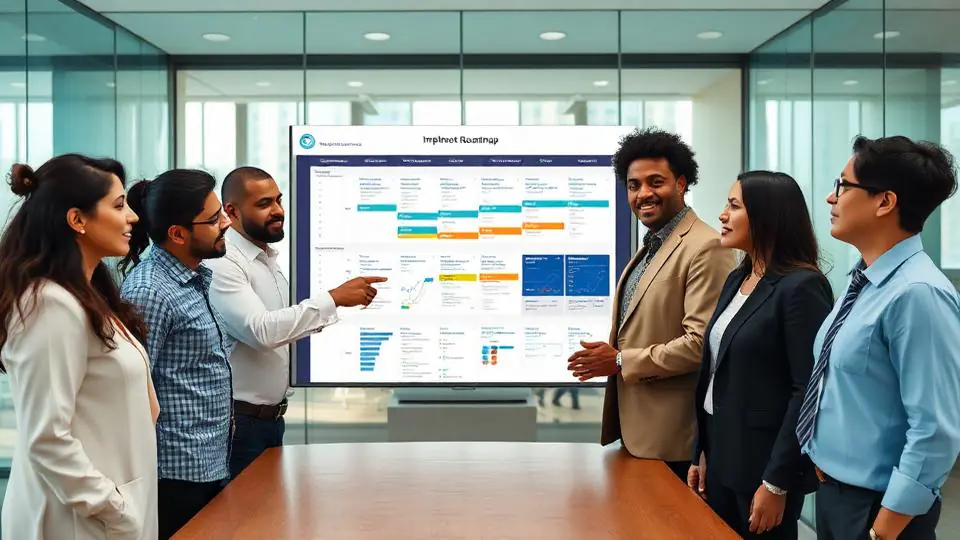
How the Toolkit Maps to the AIM Implementation Roadmap
AIM organizes implementation into 10 practice areas. Each area has dedicated tools, diagnostics, and delivery options designed to close the gap between installation and implementation.
Use Cases for Change Management Assessments
AIM diagnostics apply to any transformation where behavioral adoption matters.

ERP Implementation Readiness
ERP rollouts fail when organizations measure go-live instead of go-adopt. Use the IRF to identify gaps across all 10 practice areas, and the IRA to measure whether end users are prepared for new workflows.
AI Transformation Readiness
AI introduces unique resistance patterns including job-threat concerns and skill anxiety. Use the AI Transformation Suite to measure leadership sponsorship, workforce readiness, and implementation risk specific to AI-enabled change.
Merger & Integration Readiness
Mergers multiply disruption across every target group simultaneously. Use the IHA to surface organizational baggage from both entities, and the OCST to measure whether capacity exists for integration.
Culture Change Readiness
Culture shifts require commitment, not just compliance. Use the IHA and TRI together to diagnose whether current norms, rewards, and leadership behaviors contradict the desired culture.
Operating Model Change Readiness
Restructuring roles, reporting lines, and workflows creates high disruption. Use the WLDT to quantify impact, and the Leader Assessment (EMR 360) to verify that sponsorship is cascading through every affected level.
Agile Transformation Readiness
Agile adoption often stalls at middle management. Use the Leader Assessment to identify sponsorship black holes, and the IRA to measure whether teams have the information, willingness, and skills to shift.
Change Management Glossary
Change Readiness
The degree to which individuals and the organization are prepared to adopt new behaviors. Measured across five elements: information, willingness, ability, confidence, and control.
Sponsorship
Active, visible leadership support demonstrated through expressing the business case, modeling new behaviors, and reinforcing adoption through consequences.
Reinforcement
The system of consequences (positive and negative) that sustain behavioral adoption after go-live. Without reinforcement, change remains optional.
Implementation Risk
The measurable likelihood that a change will fail to achieve sustained behavioral adoption and business results. Assessed across 10 practice areas.
Resistance to Change
A predictable response to disruption of a person's frame of reference. Greater disruption produces greater resistance. Diagnosed through readiness gaps.
Adoption
Sustained use of new behaviors, processes, or tools beyond go-live. Measured by whether people consistently perform the new way, not whether they attended training.
Installation vs. Implementation
Installation means putting the solution in place. Implementation means achieving sustained behavioral adoption and business results.
Change Fatigue
The reduction in capacity to absorb change caused by competing priorities, overlapping initiatives, and cumulative disruption.
Frequently Asked Questions
What are AIM assessments and how are they used?
What is the Implementation Risk Forecast (IRF)?
What is the difference between installation and implementation in AIM?
What platform delivers AIM assessments?
Does AIM have tools specifically for AI transformation?
How many assessments should I run for my initiative?
What is a change readiness assessment?
How do you measure resistance to change?
Ready to Implement Change?
Start with diagnostics, build leadership capability, and apply targeted tools where your change is most at risk.