
Resistance to change is a common phenomenon in organizations, often stemming from fear, uncertainty, and a lack of understanding. This article explores effective strategies to overcome resistance, focusing on the Accelerating Implementation Methodology (AIM) as a structured approach to change management. By understanding the root causes of resistance and implementing targeted strategies, organizations can foster a culture of adaptability and engagement. The pain points associated with change resistance can hinder progress, but with the right tools and methodologies, leaders can facilitate smoother transitions. We will delve into the causes of resistance, the AIM methodology, actionable strategies to manage resistance, and how to measure success in change initiatives.
Understanding Resistance to Change
Resistance to change can manifest in various forms, including active opposition, passive resistance, and apathy. Understanding these types is crucial for leaders aiming to implement effective change initiatives. Common causes of resistance include fear of the unknown, perceived threats to job security, and a lack of trust in leadership. The impact of resistance can be significant, leading to decreased morale, productivity, and ultimately, the failure of change initiatives. By identifying these factors, organizations can better prepare to address and mitigate resistance.
The Psychology of Resistance to Change
Resistance to change is deeply rooted in psychological factors that influence employee behavior and attitudes. One key driver is loss aversion, where employees fear losing status, autonomy, or competence more than they value potential gains from change. This fear can create strong emotional barriers to adopting new ways of working. Another factor is status quo bias, the natural tendency to prefer the current state even when change could bring benefits. This bias makes people reluctant to move away from familiar routines and processes.
Fear of the unknown also plays a significant role. Ambiguity about new roles, responsibilities, and processes triggers threat responses in the brain, leading to anxiety and resistance. Additionally, employees may perceive change as a threat to their identity and competence, worrying that new expectations will undermine their skills or professional standing.
The Accelerating Implementation Methodology (AIM) addresses these psychological drivers through a combination of sponsor accountability and structured involvement. By holding executive sponsors accountable for visible and active support, AIM reduces uncertainty and builds trust. Its emphasis on early and ongoing stakeholder involvement helps employees feel heard and valued, mitigating loss aversion and status quo bias. AIM’s Target Readiness Framework specifically maps out readiness levels, allowing focused interventions that address fears and identity concerns directly, fostering a more receptive environment for change.
AIM Methodology Overview
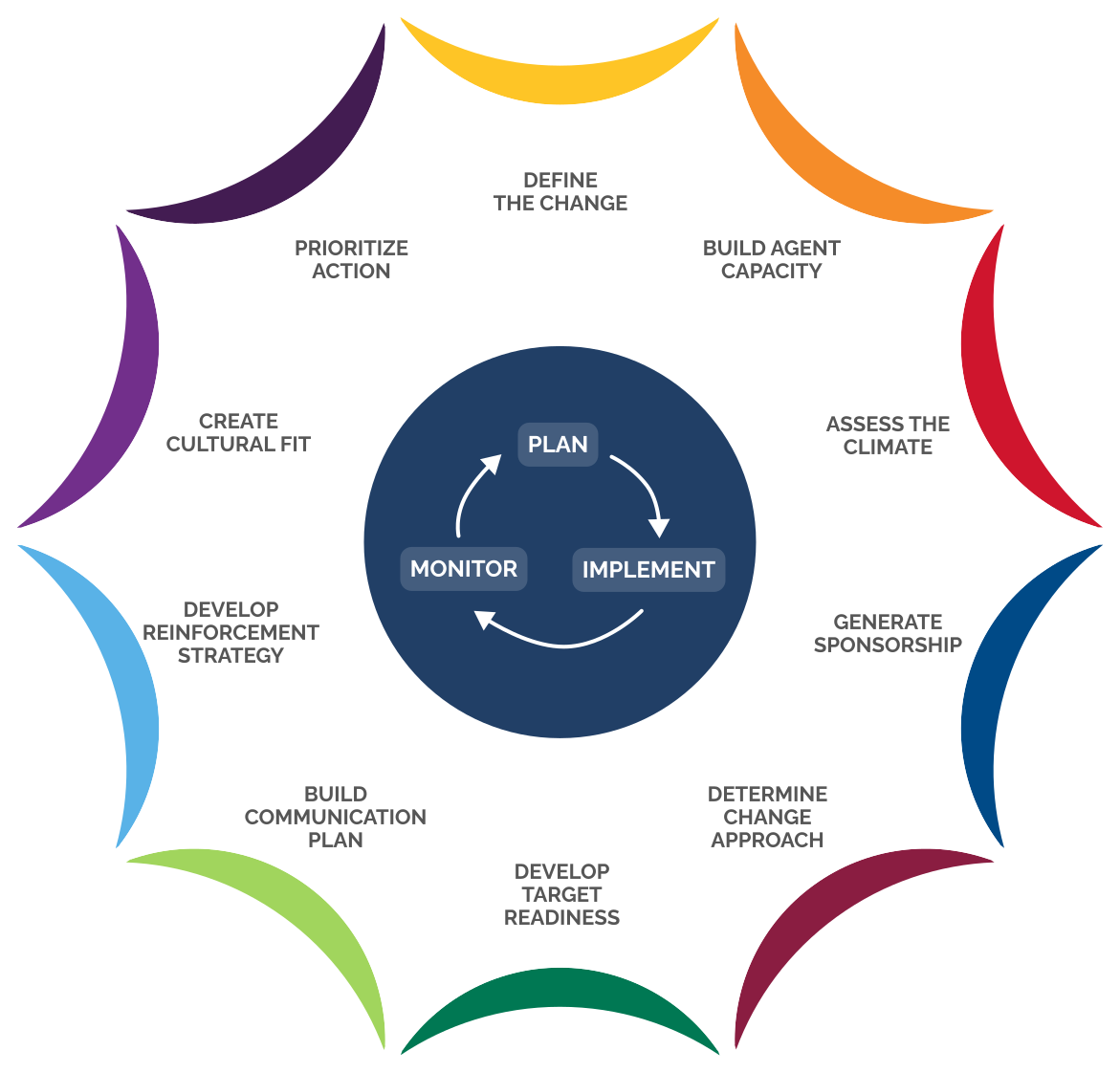
The Accelerating Implementation Methodology (AIM) provides a structured framework for managing change effectively. It consists of several key steps designed to facilitate the implementation process while addressing resistance. The AIM process includes assessing the current state, defining the desired future state, and developing a comprehensive plan to bridge the gap. This methodology emphasizes the importance of communication and stakeholder engagement throughout the change process. Organizations that have successfully implemented AIM have reported improved employee buy-in and smoother transitions, demonstrating its effectiveness in overcoming resistance.
What the Research Shows
Research consistently highlights the critical factors influencing the success or failure of change initiatives. According to Prosci Best Practices research, active executive sponsorship is the number one success factor in change management. Leaders who visibly own and drive change efforts significantly increase the likelihood of adoption and reduce resistance.
McKinsey research reveals that approximately 70% of large-scale transformations fail due to people-side factors, including resistance and lack of engagement. This underscores the importance of addressing human dynamics alongside technical changes.
Furthermore, Gartner reports that 74% of employees exhibit symptoms of change fatigue, a state of exhaustion and disengagement caused by continuous or poorly managed change efforts. This fatigue can exacerbate resistance and undermine organizational agility.
AIM vs. Kotter and Lewin
Several change management models exist, each with unique approaches to handling resistance. The Accelerating Implementation Methodology (AIM) distinguishes itself through its focus on sponsor contracting, target readiness mapping, and structured involvement of stakeholders. Unlike other models, AIM leverages leaders throughout the change process taking advantage of their ability to motivate their people.
Kotter’s 8-Step Change Model, detailed at Kotter Inc., emphasizes creating urgency, building coalitions, and anchoring new approaches in culture. While effective, it addresses sponsor involvement and resistance management more generally, without the granular readiness assessments AIM provides.
Lewin’s Unfreeze-Change-Refreeze model offers a foundational perspective on change by focusing on preparing for change, implementing it, and solidifying new behaviors. However, it lacks detailed mechanisms for sponsor accountability and ongoing stakeholder involvement that AIM integrates as core components.
Strategies to Overcome Resistance
Implementing effective strategies is essential for overcoming resistance to change. Here are some actionable approaches:
- Leadership Involvement: Leaders play a critical role in modeling desired behaviors and demonstrating commitment to change. Their active participation can inspire confidence among employees.
- Employee Engagement: Involving employees in the change process can enhance their sense of ownership and reduce resistance. Soliciting feedback and incorporating suggestions can lead to more successful outcomes.
- Effective Communication: Clear and transparent communication helps alleviate fears and uncertainties. Regular updates and open forums for discussion can foster trust and engagement.
These strategies, when combined with the AIM methodology, create a robust framework for managing change and minimizing resistance.
Further emphasizing the proactive stance required, one study highlights the fundamental question leaders face when tasked with implementing change.
5-Step Manager Action Plan Using AIM
- Diagnose the Type and Source of Resistance: Begin by identifying whether resistance is active, passive, or due to apathy, and understand its root causes such as fear, misinformation, or lack of trust.
- Activate Executive Sponsorship: Ensure the executive sponsor visibly owns the change, actively communicates its importance, and models desired behaviors rather than merely endorsing the initiative.
- Involve Affected Employees Early in Change Design: Engage employees in shaping the change to increase their sense of ownership and reduce uncertainty and resistance.
- Use AIM’s Target Readiness Framework to Assess and Close Gaps: Map readiness levels across stakeholder groups to tailor interventions that address specific concerns and barriers.
- Build Reinforcement Loops Into the Implementation Plan: Establish ongoing feedback mechanisms and reinforcement activities to sustain change adoption and address emerging resistance promptly.
Measuring Success

Measuring the success of change initiatives is vital for understanding their impact and effectiveness. Key performance indicators (KPIs) can help organizations track progress and identify areas for improvement. Some important metrics include:
- Employee Engagement Levels: Surveys can gauge employee sentiment and engagement throughout the change process.
- Adoption Rates: Tracking how quickly and effectively new processes or systems are adopted can provide insights into the success of the change initiative.
- Performance Metrics: Analyzing productivity and performance data before and after the change can help assess its overall impact.
By establishing clear metrics, organizations can evaluate the effectiveness of their change strategies and make necessary adjustments.
Role of Executive Sponsors and HR Leaders
Executive sponsors and HR leaders play a crucial role in the success of change initiatives. Their involvement ensures that change efforts are aligned with organizational goals and that adequate resources are allocated. Executive sponsors provide the necessary authority and support, while HR leaders facilitate communication and engagement strategies. Together, they can create a supportive environment that encourages employee participation and reduces resistance.