
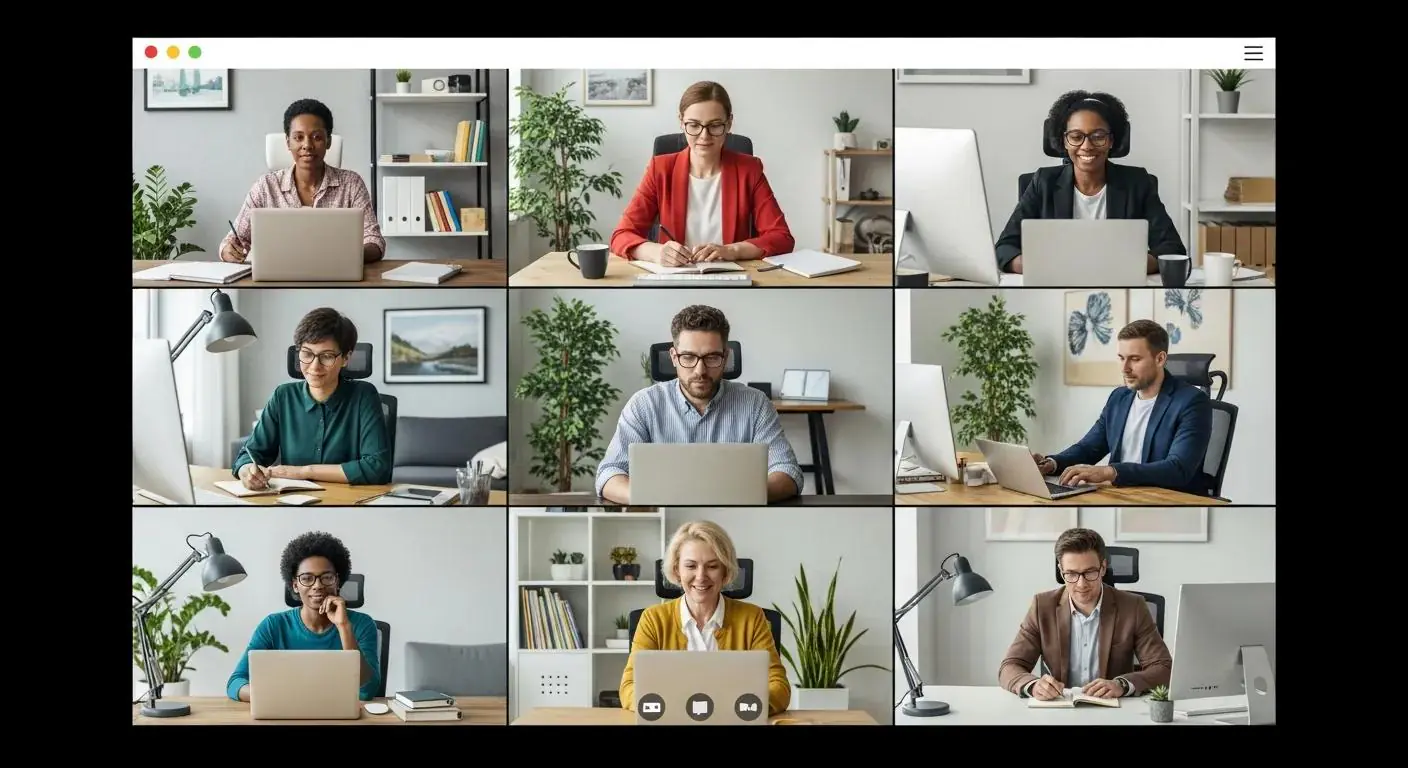
Choosing between online and in-person training matters more than ever. This guide breaks down the practical benefits and trade-offs of each format so you can pick the option that fits your learning style, schedule, and certification goals. We cover engagement, cost, accessibility, and how each approach supports real-world outcomes—so you leave with a clearer path forward for your professional development.
How Online and In-Person CCMP Training Compare
When evaluating CCMP training, it helps to look at how online and classroom formats differ in practice. Each approach brings strengths and limitations that shape how you absorb material, interact with instructors, and prepare for certification.
Learning Outcomes
Training results can differ by delivery method. Online programs tend to focus on applied learning through interactive modules and scenario-based work, which lets learners progress at their own pace. In-person classes, by contrast, give immediate feedback and live discussion that often deepens understanding—especially for complex topics that benefit from group problem-solving and on-the-spot coaching.
Research continues to explore how each delivery method affects professional development outcomes.
Online vs. In-Person Training Effectiveness This study examined whether an online training module matched an in-person workshop in preparing pharmacists to apply dosing and therapeutic monitoring of vancomycin. Continued professional development: A comparison of online vs. in-person workshops, 2021
Accessibility
Accessibility is a major differentiator. Online training removes geographic barriers and gives you 24/7 access to materials—ideal for busy professionals or those who travel. In-person programs require presence at a location and time, which can be harder to fit into a tight schedule but can provide a focused, distraction-free setting that some learners prefer.
Cost
Costs vary by format. Online options often reduce overall expenses by eliminating travel and lowering tuition, making certification more affordable. In-person sessions may cost more but can deliver added value through face-time with instructors, live workshops, and networking that sometimes translates into career opportunities.
Participant Engagement

Engagement looks different online versus in-person. Virtual courses use discussion boards, live video, and interactive quizzes to keep learners involved. Classroom settings create organic networking moments and hands-on exercises that can build deeper professional connections and practical skills—useful when peer learning is part of the value you want from training.
What CCMP Certification Is — and Why Format Matters
is a professional credential that verifies your knowledge and skills in change management. The delivery method you choose affects how effectively you learn, retain material, and apply techniques in real workplace situations.
Key Components of the Certification Process
Certification typically includes eligibility review, a structured training program, an exam, and ongoing professional development. Candidates usually need a mix of education and relevant work experience. Training programs prepare you for the exam and help build the practical skills you’ll use after certification, while continuing education keeps your practice current.
Training Format and Learning Outcomes
Understanding how format shapes outcomes helps you choose a program that aligns with your goals. Each route supports different strengths in knowledge transfer and skill application.
Online Training
Online courses offer schedule flexibility and a range of multimedia learning tools—videos, simulations, and quizzes—that suit self-directed study. They’re great when you need to balance work and learning, though some learners miss the immediacy of in-person feedback and peer discussion.
In-Person Training
Classroom programs provide a structured environment with live instructor interaction and group exercises. That immediacy helps clarify difficult concepts and accelerates skill-building—especially for candidates who thrive on collaboration and real-time guidance. The trade-off is less schedule flexibility and potential travel requirements.
Additional studies have looked at how hands-on, lab-based programs translate to remote delivery and outcomes.
Online vs. In-Person Professional Development Outcomes
This mixed-methods study compared three cohorts from a university Research Experiences for Teachers (RET) program — two on-site cohorts and one cohort that ran fully remotely in summer 2020 — to evaluate whether hands-on program outcomes could be achieved remotely (Lichtenstein & Phillips, 2021).
Understanding the AIM Change Management Methodology
The AIM (Assess, Implement, Manage) framework is a central approach used in CCMP training. It gives practitioners a clear sequence for diagnosing change needs, rolling out solutions, and sustaining results—practical steps you can apply on the job.
How Virtual and Classroom Formats Support Certification Goals
Both virtual and classroom formats can prepare you for CCMP certification, but they do so differently. Virtual programs scale access and let you revisit material on demand. Classroom formats offer immersive practice and direct mentorship. Your priority—convenience versus live interaction—will determine which aligns better with your certification plan.
Key Benefits of Virtual CCMP Training
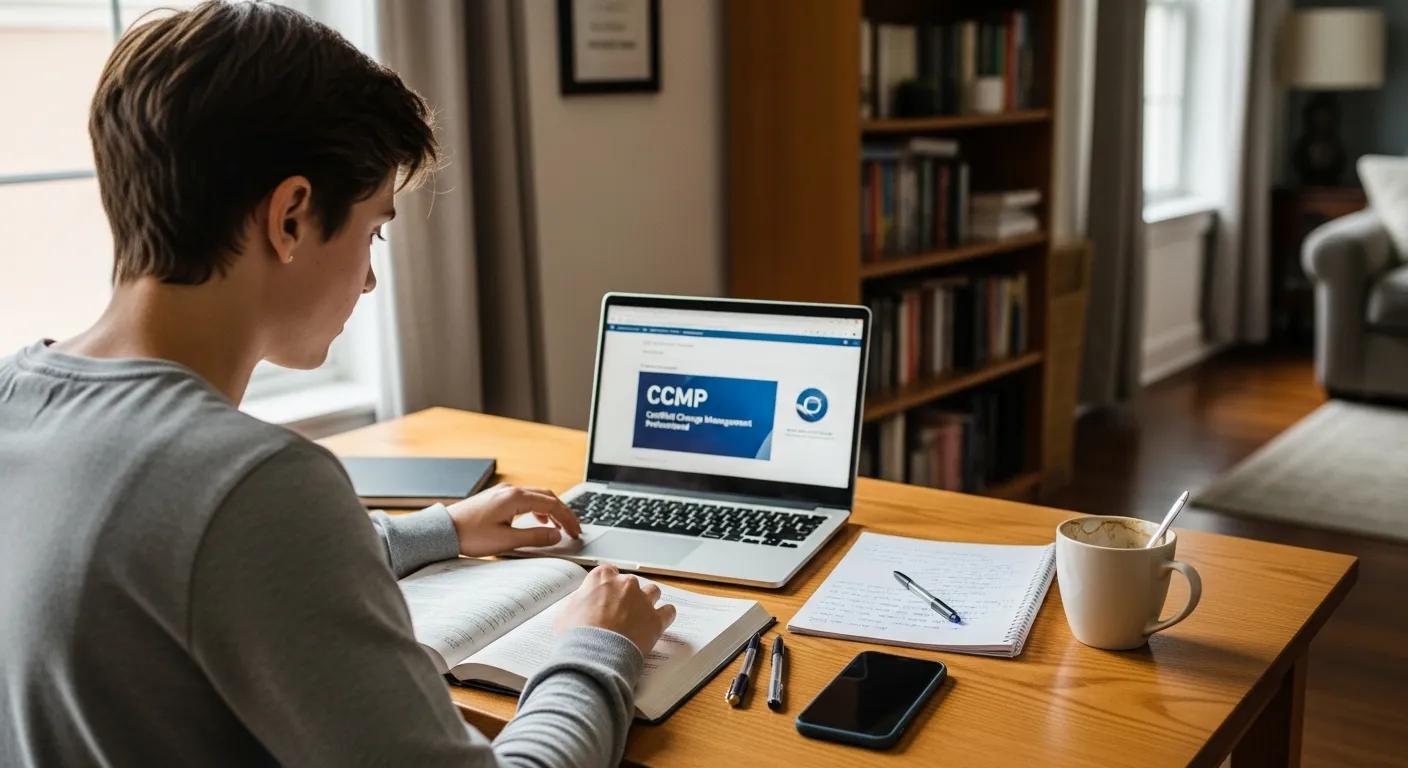
Virtual CCMP courses provide several practical advantages:
- Flexibility: Learn on a schedule that fits work and life, with access to materials anytime.
- Cost-Effectiveness: Lower overall costs by removing travel and venue expenses.
- Diverse Learning Resources: Multimedia content and simulations that accommodate different learning preferences.
If you’re considering online options, Information Hub offers well-structured courses designed for working professionals pursuing change management certification.
How In-Person Interaction Strengthens Change Management Skills
Face-to-face training supports skill development in several ways:
- Immediate Feedback: Real-time coaching helps correct misconceptions and accelerate learning.
- Networking Opportunities: Direct interaction with peers and instructors builds connections you can rely on after the course.
- Hands-On Learning: Live exercises and case work let you practice techniques in a guided environment.
These elements often make in-person formats especially effective for applied learning and team-based skill building.
Scheduling and Networking Advantages of Classroom Training
Classroom courses offer distinct benefits that support focused learning and professional growth:
- Structured Learning Environment: A set schedule helps maintain momentum and accountability.
- Networking Opportunities: In-person settings make it easier to form professional relationships and collaborations.
- Collaborative Learning: Group exercises and discussions foster peer learning and shared problem-solving.
For many professionals, these advantages justify the time and travel commitments.
Exam Preparation: Online vs. In-Person
Preparation strategies vary by format. Online programs typically include practice exams, study guides, and interactive quizzes that mirror the certification test. In-person courses can add personalized coaching and targeted review sessions, which help address individual gaps ahead of exam day.
Preparation Strategies Used in Each Format
Both formats use proven methods to get candidates exam-ready:
- Practice Exams: Simulated tests that build familiarity with question format and timing.
- Interactive Learning: Quizzes, case studies, and group work to reinforce core concepts.
- Instructor Support: Live or scheduled access to experts who clarify difficult topics and guide study plans.
Combined, these strategies boost confidence and readiness for the certification exam.
Which Format Suits Working Professionals with Flexible Needs?
For many working professionals, online CCMP training provides the best balance of flexibility and value. It lets you study around a full-time job while accessing high-quality content. If you benefit from in-person interaction, consider supplementing online study with occasional workshops or live coaching sessions.
How Each Option Fits Different Learning Styles
Both virtual and classroom courses can serve varied learning preferences. Online formats work well for visual and auditory learners with multimedia content. Classroom training benefits kinesthetic learners who gain from hands-on practice. Choosing the format that matches how you learn will improve retention and application.
Factors to Consider When Choosing a Training Format
When deciding, evaluate these key factors:
- Learning Style: Pick the format that aligns with how you learn best.
- Schedule Flexibility: Make sure the program fits your work and life commitments.
- Budget: Compare total costs, including travel and time away from work.
Weighing these considerations will help you choose a path that supports both certification success and career goals.
How to Decide Between Online and In-Person CCMP Training
Start by listing your priorities—flexibility, hands-on practice, networking—and match them to each delivery method’s strengths. Talk to peers who’ve completed both formats, review course syllabi, and consider sample lessons where available. That research will clarify which format will best serve your certification and career plans.
Industry Trends and Learner Satisfaction
Recent trends show increasing interest in online training driven by flexibility and access. Learner satisfaction is mixed: many value the convenience of virtual programs, while others cite the lasting benefits of in-person networking and hands-on practice. Understanding these trends can help you choose a format aligned with current industry expectations.
Support and Contact Information for CCMP Training
If you need guidance on CCMP training options, support is available. Information Hub offers details on programs, certification requirements, and ongoing professional development—reach out for personalized advice to navigate your certification journey.
Frequently Asked Questions
What is the AIM methodology in CCMP training?
The AIM framework—Assess, Implement, Manage—gives a clear, repeatable process for leading change. It helps you evaluate needs, roll out interventions, and sustain results so change initiatives deliver measurable value.
How do online and in-person formats affect networking?
In-person formats make spontaneous, high-value networking easier through face-to-face interaction. Online courses can still support networking via discussion groups, live sessions, and alumni communities—but building deep relationships may require more intentional effort.
What common challenges arise with online CCMP training?
Online learning can bring distractions, a need for stronger self-discipline, and less immediate feedback. Technical issues and unfamiliar platforms can also interrupt learning. Planning a dedicated study routine and using available instructor support helps overcome these challenges.
How can candidates best prepare for the CCMP exam?
Combine practice exams, a structured study plan, and peer study groups. Use practice quizzes to identify weak areas, schedule consistent review time, and seek targeted instructor feedback when needed to build confidence before the exam.
What role does instructor feedback play?
Instructor feedback accelerates learning by clarifying misconceptions and guiding improvement. In-person settings provide faster, more interactive feedback; online programs often offer scheduled Q&A sessions, review webinars, and written feedback to fill that gap.
Which industries gain the most from CCMP certification?
Industries that frequently experience transformation—healthcare, technology, finance, manufacturing—benefit strongly from CCMP-certified professionals. The credential signals expertise in guiding change and improving organizational resilience.
What are the long-term benefits of CCMP certification?
CCMP certification can boost career prospects, increase earning potential, and strengthen professional credibility. It equips you with practical tools for leading change, which can translate into leadership roles and lasting impact within organizations.
Deciding Between Online and In-Person CCMP Training with IMA Worldwide
Both online and in-person CCMP training can prepare you for certification and effective practice—your best choice depends on your learning preferences, schedule, and career priorities. Online courses excel at flexibility and cost-efficiency, while classroom programs deliver immersive practice and stronger networking. Review course details, try sample lessons when possible, and choose the format that aligns with how you learn and where you want your career to go. Explore our training options to take the next step in your change management journey.